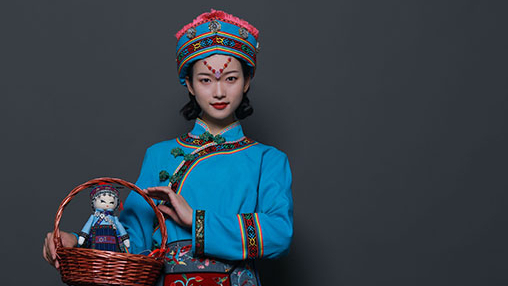
Mulam Ethnic Group
Introduction
The Mulam ethnic group is one of the recognized ethnic groups in China, predominantly residing in South China's Guangxi Zhuang autonomous region. The group is known for its unique cultural practices, traditional clothing, and the distinct Mulam language. Their rich cultural heritage is particularly evident in their traditional festivals and ceremonies, which often feature music and dance integral to the Mulam identity. The Mulam have a deep connection to their ancestral lands, contributing to a vibrant cultural tapestry in the region.
History
Origins
The origins of the Mulam ethnic group are deeply rooted in the history of China's southern regions. It is believed that the Mulam people are descendants of the ancient Baiyue tribes, who inhabited areas of modern-day Guangxi, Guangdong, and Yunnan. Their linguistic and cultural ties suggest a long-standing presence in these regions, with historical records indicating that the Mulam have been living in the mountainous areas of Guangxi for centuries. Over time, they have developed a distinct ethnic identity while maintaining strong cultural and historical links to other ethnic groups in the area.
Historical Development
Throughout history, the Mulam people have maintained a relatively isolated existence due to the remote and rugged terrain of their homeland. This geographical isolation has helped preserve their unique customs and traditions. Historically, the Mulam were mainly subsistence farmers, cultivating rice, corn, and sweet potatoes. They also practiced animal husbandry and hunting, which were essential to their livelihood. Over the centuries, the Mulam interacted with neighboring ethnic groups through trade and cultural exchange, which enriched their cultural practices.
Culture
Language and Literature
The Mulam language is a member of the Tai-Kadai language family, which includes several other languages spoken by ethnic groups in southern China and Southeast Asia. The language plays a vital role in preserving the cultural heritage of the Mulam people, as it is used in daily communication, traditional songs, and oral literature. Though the language has faced challenges due to the influence of dominant languages like Mandarin, efforts are being made to revitalize and preserve it. This includes documenting oral traditions and encouraging the younger generation to learn and speak Mulam.
Traditional Clothing
Traditional clothing is an integral part of Mulam culture, often reflecting their ethnic identity and social status. Mulam attire typically features vibrant colors and intricate embroidery, with different designs symbolizing various cultural meanings. Women usually wear long skirts and blouses adorned with colorful patterns, while men wear simpler tunics and trousers. Traditional clothing is most prominently displayed during festivals and special occasions, serving as a visual representation of Mulam heritage.
Festivals and Celebrations
Festivals and celebrations are central to Mulam cultural life, offering an opportunity for community bonding and the expression of cultural identity. One of the most important festivals for the Mulam is the Panwang Festival, which honors the legendary Panwang, a revered ancestor and cultural hero. During this festival, the Mulam engage in various activities, including singing traditional songs, performing dances, and holding rituals to pay homage to their ancestors. These celebrations are not only a time for merriment but also serve as a means of passing down customs and traditions to younger generations.
Social Structure
The social structure of the Mulam ethnic group is traditionally organized around kinship and family ties. The Mulam community places a strong emphasis on family bonds, with extended families often living in close proximity. This kinship network plays a crucial role in social organization, decision-making, and the transmission of cultural knowledge. The Mulam also have a system of clan leadership, where respected elders and leaders are responsible for maintaining social order and resolving disputes within the community.
Economy
The traditional economy of the Mulam people is primarily based on agriculture. The fertile land in their mountainous region allows for the cultivation of staple crops such as rice, corn, and sweet potatoes. In addition to farming, the Mulam engage in animal husbandry, raising livestock like pigs, chickens, and cattle. In recent years, the Mulam have diversified their economic activities, incorporating elements of modern trade and tourism. The production and sale of traditional crafts, such as woven textiles and embroidered garments, have become important sources of income.
Cultural Preservation and Promotion
In recent years, there has been a concerted effort to preserve and promote the cultural heritage of the Mulam ethnic group, particularly as it pertains to economic development. The recognition of Mulam cultural practices, such as traditional drum making, as intangible cultural heritage has brought attention to the importance of preserving these traditions. Craftsmanship, music, and dance are being leveraged as cultural assets to enhance tourism and create economic opportunities for the Mulam community. Initiatives to train young artisans in traditional crafts and to document and promote Mulam festivals are part of a broader strategy to integrate cultural preservation with sustainable economic growth. These efforts not only aim to improve the living standards of the Mulam people but also ensure that their rich cultural heritage continues to thrive in the modern world.








